Conny Jo
Nov 26, 2026
NOVEMBER 26, 2026✦WEEKLY EDITION✦ ISSUE # 3 |
The Baker’s Bench A gathering place for better baking. YOUR WEEKLY SOURDOUGH EDITION |
🌾 FROM THE STARTER JAR
✨ Hey, Fellow Bakers!
Happy Thanksgiving, fellow bakers! 🦃 Whether your oven is working overtime or your starter is taking a holiday break, there’s always something new to discover in the dough.
This week at The Baker’s Bench, we’re exploring how sourdough cultures may help frozen dough, what apple pomace could bring to bread, and the science behind that irresistible sourdough aroma.
We’ve also got buttery discard biscuits, a simple way to freeze leftover bread, a spotlight on baker Martin Philip, and golden pull-apart rolls worth sharing. Pull up a stool, pour something warm, and enjoy the bake. 🥖 |
🧠 THINK YOU KNOW SOURDOUGH?
What does “hydration” measure in a bread formula?
👇 Answer at the bottom. |
🗓️ Your Week, in 10 Seconds ❄️ The freezer: A new frozen-dough study explores how selected sourdough cultures may help protect dough quality.
🍎 The ingredient: Apple pomace research reveals a trade-off between longer mold-free shelf life and firmer bread.
👃 The aroma: Discover the science behind sourdough’s scent and observe your starter at different stages.
🦃 The holiday bake: Make buttery discard biscuits, freeze extra bread, and share soft sourdough rolls with someone you love. |
 |
| 💬 15 Comments |
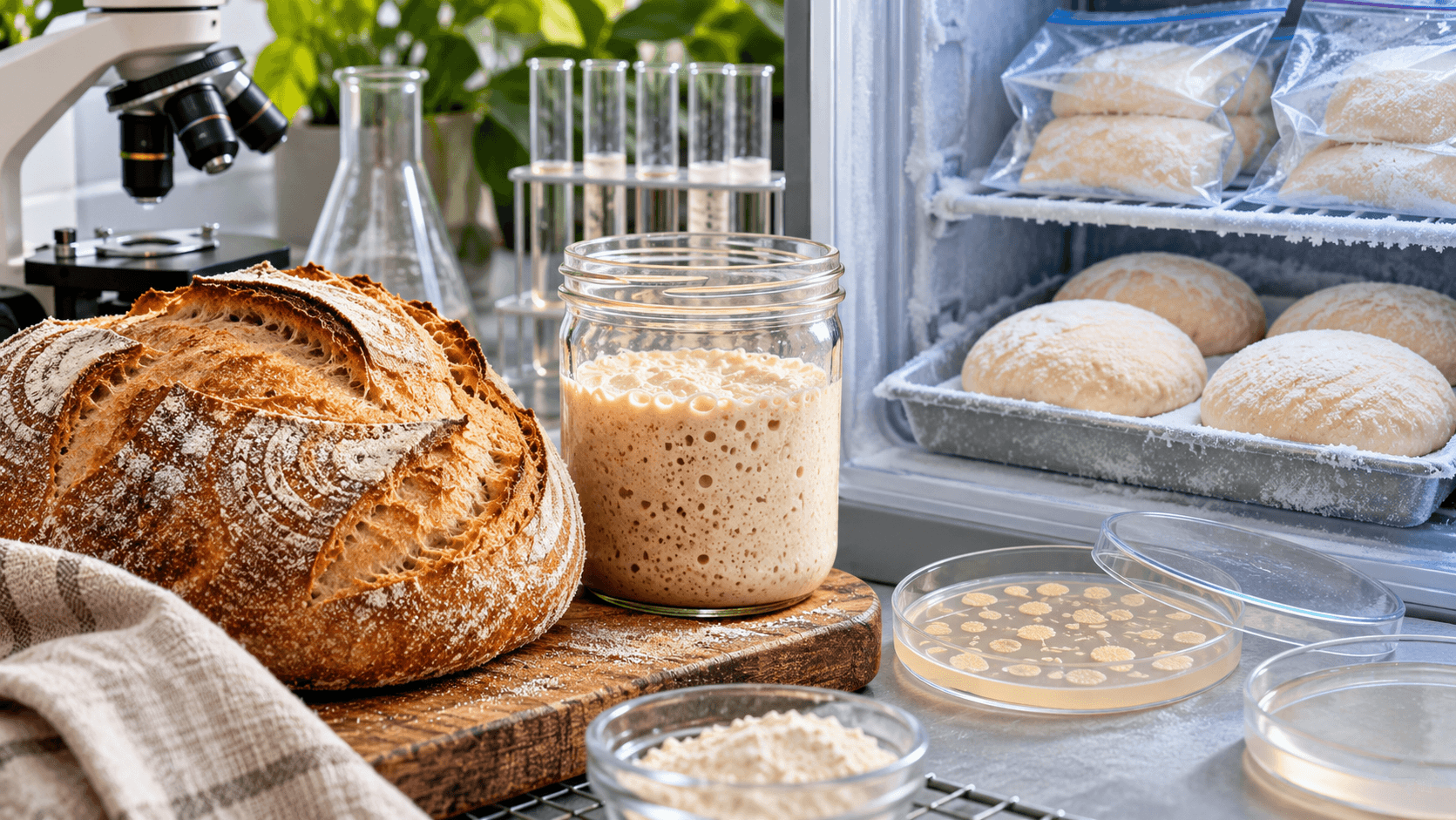
❄️ Can your freezer become a baker’s best friend? A 2026 frozen-dough study found that one selected sourdough bacterial culture helped preserve yeast viability, dough structure, and bread quality during frozen storage, including a 28-day test at −18°C.
The research abstract highlights a specific bacterial strain, not every homemade starter. Freezing raw dough and freezing finished bread are two different experiments.
🥖 Baker’s takeaway: Start with a familiar loaf recipe and compare a small frozen batch with a fresh one before relying on it for holiday baking. Read the full freezer research guide. Read More... |
15 readers are talking about this | Top first |
SW | Sandra Wells · 3 days ago I wonder whether freezing the shaped loaf would give the same result as freezing dough earlier. That detail would matter a lot for my Sunday…
|
| 💬 7 Comments |
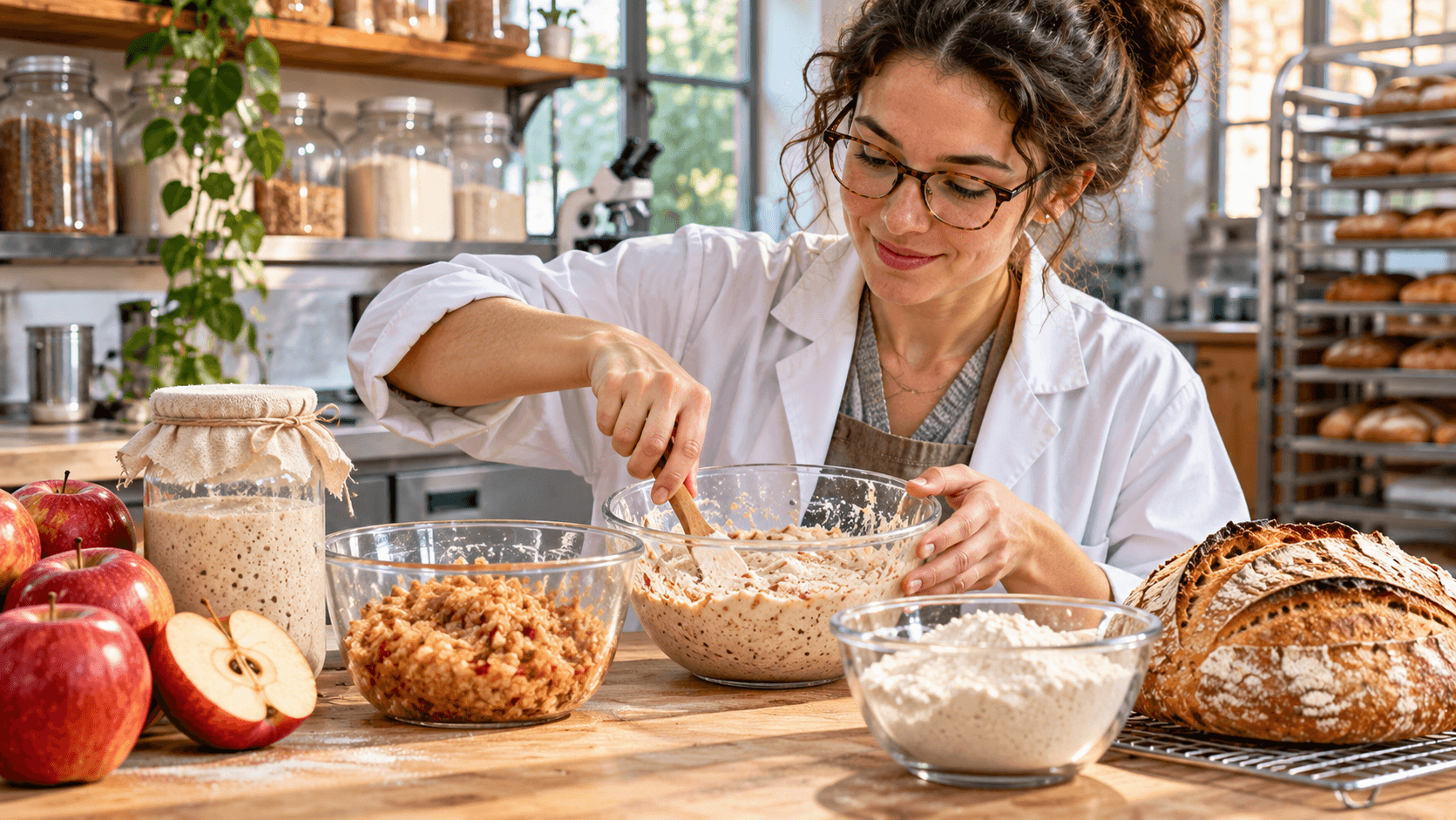
🍎 Could apple juice leftovers help bread stay fresh longer? An October 2026 study examined fermented and unfermented apple pomace as wheat-bread ingredients at 15% and 20% replacement levels.
The research findings report longer mold-free shelf life, but also smaller loaves and firmer crumb. Better preservation does not automatically mean better bread.
🥖 Baker’s takeaway: Keep a dependable formula and use established sourdough guidance to evaluate rise and texture. Look for a validated recipe using food-grade ingredients rather than adding untreated apple scraps. Explore the full apple pomace study guide. Read More... |
7 readers are talking about this | Top first |
PS | Priya S. · 3 days ago The 15% and 20% replacements seem fairly high to me. I wonder if a smaller amount would keep more of the loaf's volume.
|
| 💬 22 Comments |
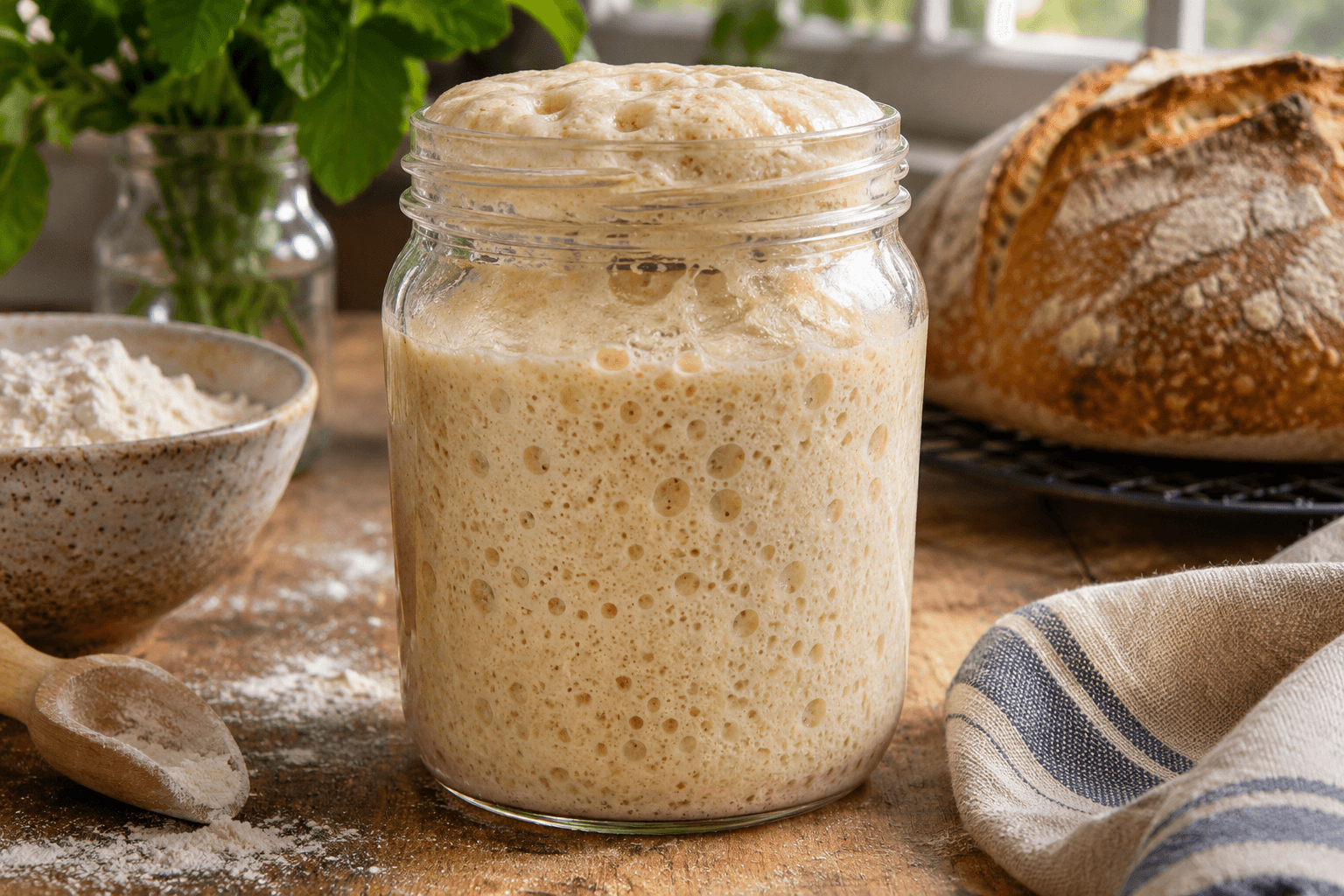
👃 What makes your starter smell fruity, tangy or wonderfully yeasty? A study of traditional Chinese sourdough for steamed pastries detected 109 volatile compounds, including 11 key aroma-active compounds.
The research record illustrates how complex fermentation aromas can be. A particular scent alone cannot identify microbes or tell you whether your starter is ready to bake.
🫙 Baker’s takeaway: Follow your usual starter feeding routine and compare two small jars at different suitable indoor temperatures. Record rise, bubbles and aroma at equivalent fermentation stages. Read the full guide and two-jar experiment. Read More... |
22 readers are talking about this | Top first |
LP | Leah P. · 3 days ago The gentle yeasty sweetness is what I look for after feeding my starter. Now I am curious what it smells like a few hours later.
|
THE BAKER'S BENCH · FERMENTATION NOTES 🧪 Starter Science: What Your Starter’s Aroma Is Telling You Does your starter smell different throughout the day? Yeasts and lactic acid bacteria produce compounds as they ferment flour. Our latest aroma research guide explains why scent changes as a starter matures.
After your next feeding, observe your starter at three stages:
01 Freshly fed: Notice the mild flour aroma and mark the starting level. 02 Near peak: Look for bubbles, expansion, and fruity or yeasty notes alongside signs of starter activity. 03 Past peak: A stronger acidic or alcoholic scent may develop. Review your feeding routine if your starter regularly collapses before its next feed. 🫙 Try this: Record aroma, rise, and temperature at each stage. Follow safe flour-handling guidance and never taste raw starter. Discard the culture if you see mold or pink or orange discoloration. Your nose offers clues, not proof of readiness or safety. |
✨ Quote Of The Day |
“Good bread begins with patience, grows with curiosity, and tastes even better when shared.” — The Baker’s Bench |
 |
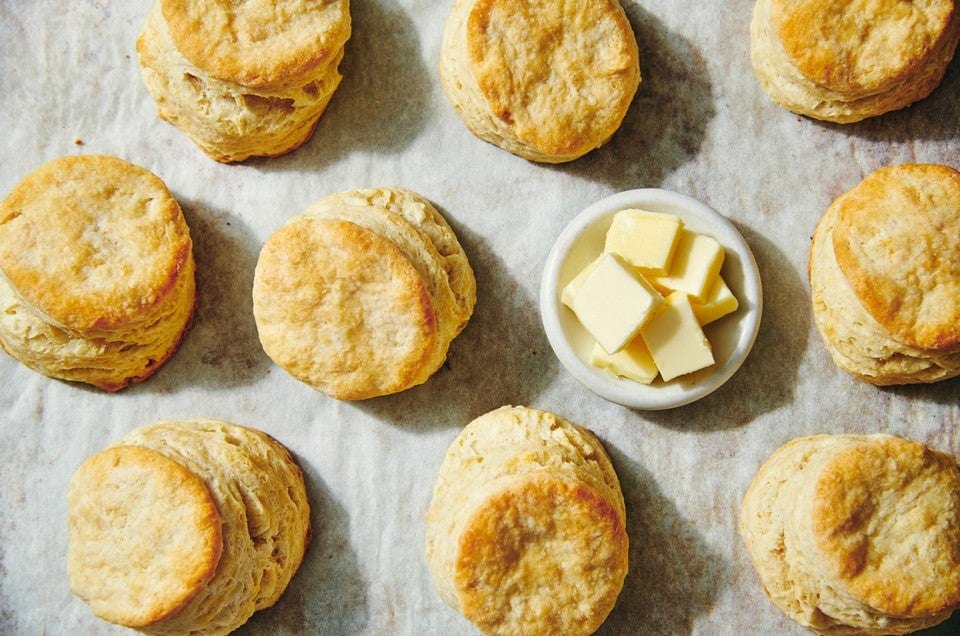
🍽️ Buttery Sourdough Discard Biscuits
Recipe by PJ Hamel; photo and recipe source: King Arthur Baking.
🥖 Turn leftover starter into warm, buttery biscuits for your holiday table. This quick sourdough biscuit recipe is ideal for breakfast sandwiches, gravy or a little cranberry sauce.
⏱️ Time: About 30 minutes 🍞 Makes: 6–7 large biscuits
🧂 Ingredients
👩🍳 How to Make Them
💡 Baker’s tip: If the dough is too dry, add a little milk. Serve warm or cool completely before freezing. Watch Martin Philip’s biscuit demonstration or follow the complete original recipe for detailed shaping and baking instructions.
Food-safety note: Use healthy discard only; never taste raw dough. See FDA flour safety guidance. |
 |
🙌 This Week’s Technique: Freeze Your Loaf, Not Your Baking Plans
Want fresh-tasting sourdough after the holiday rush? Instead of experimenting with raw frozen dough right before a big meal, bake your usual sourdough loaf first. Let it cool completely, slice it, and wrap portions tightly before freezing.
Label each package with the bake date and freeze at 0°F (−18°C) or colder, following USDA freezer guidance. Toast individual slices straight from frozen, or thaw a wrapped portion when needed. Compare crust, crumb, and flavor with a fresh slice to see what works best for you.
Our latest frozen-dough research guide explains why freezing unbaked dough is a separate challenge. For busy weeks, a dependable baked-bread routine is worth more than an untested shortcut. |
💡 Interesting Facts |
💡 Interesting Fact: Sourdough gets part of its aroma from fermentation, but baking creates new aromas, too! The Maillard reaction between amino compounds and reducing sugars helps give your crust its golden-brown color and toasted aroma. That wonderful bakery smell is chemistry in action. |
 |
Gear & Kitchen Finds · Retail recommendation |
King Arthur Baking |
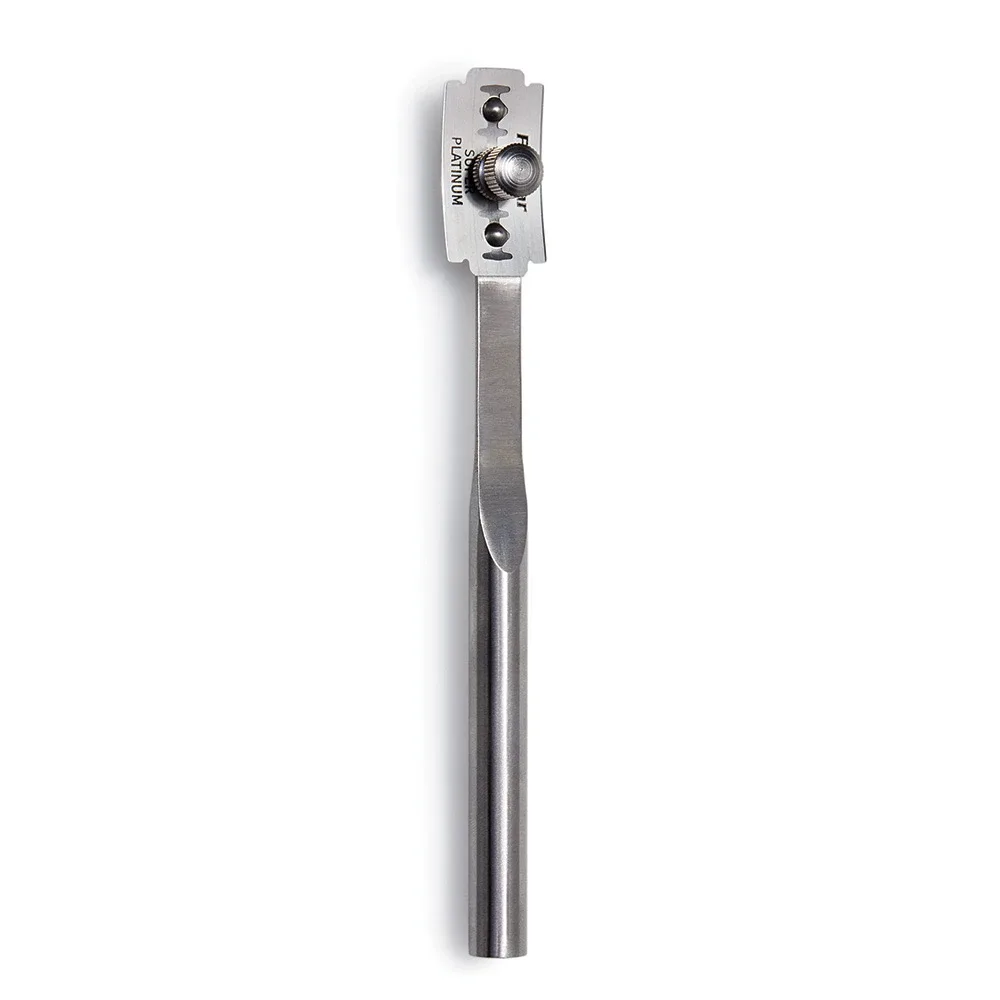
Two-in-One Bread Lame |
| ★★★★★(213 reviews) |
| $22.95 |
✂️ Give your loaf room to expand. Try a simple score before baking, then practice decorative patterns as your confidence grows. Explore product details. |
|
| View Product |
Gear & Kitchen Finds · Retail recommendation |
King Arthur Baking |
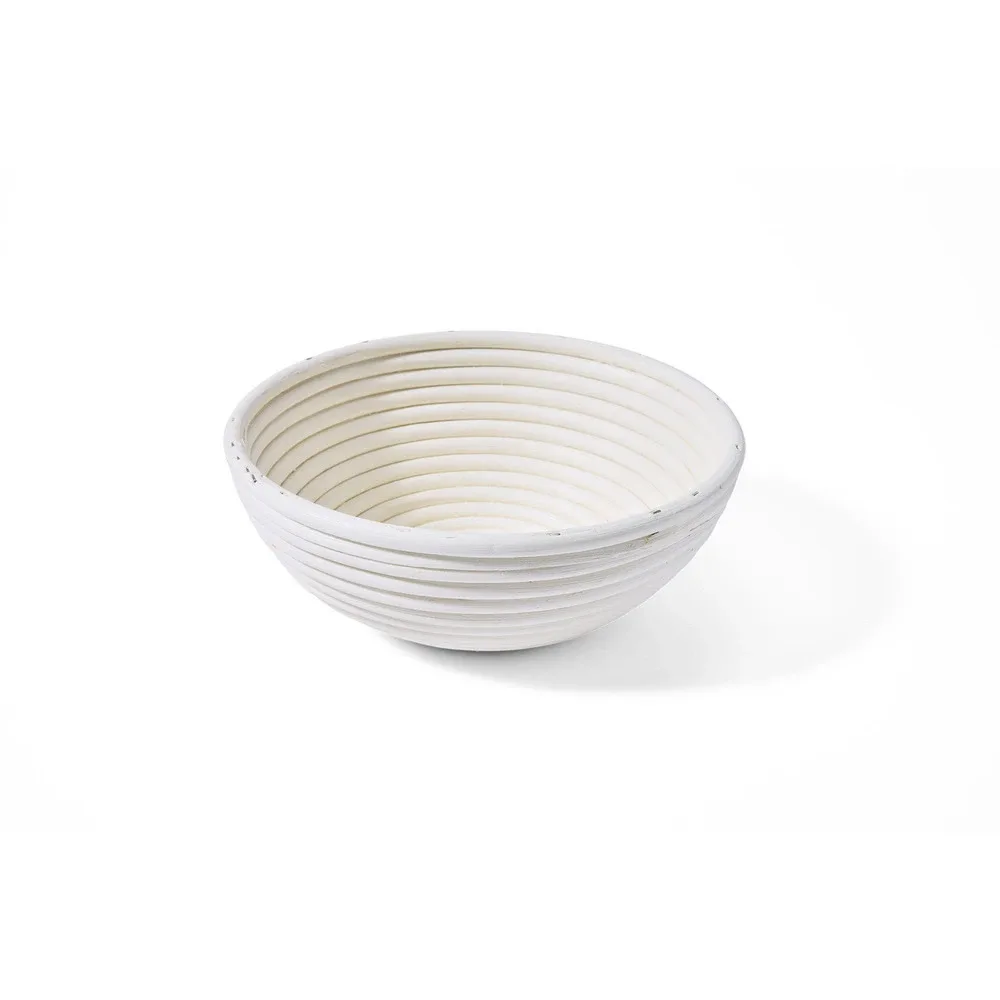
Round Brotform |
| ★★★★★(17 reviews) |
| $17.95 |
🌾 Help your boule hold its shape. Dust the basket with flour before adding shaped dough, then turn the dough out before baking. Explore product details. |
|
| View Product |
Gear & Kitchen Finds · Retail recommendation |
King Arthur Baking |
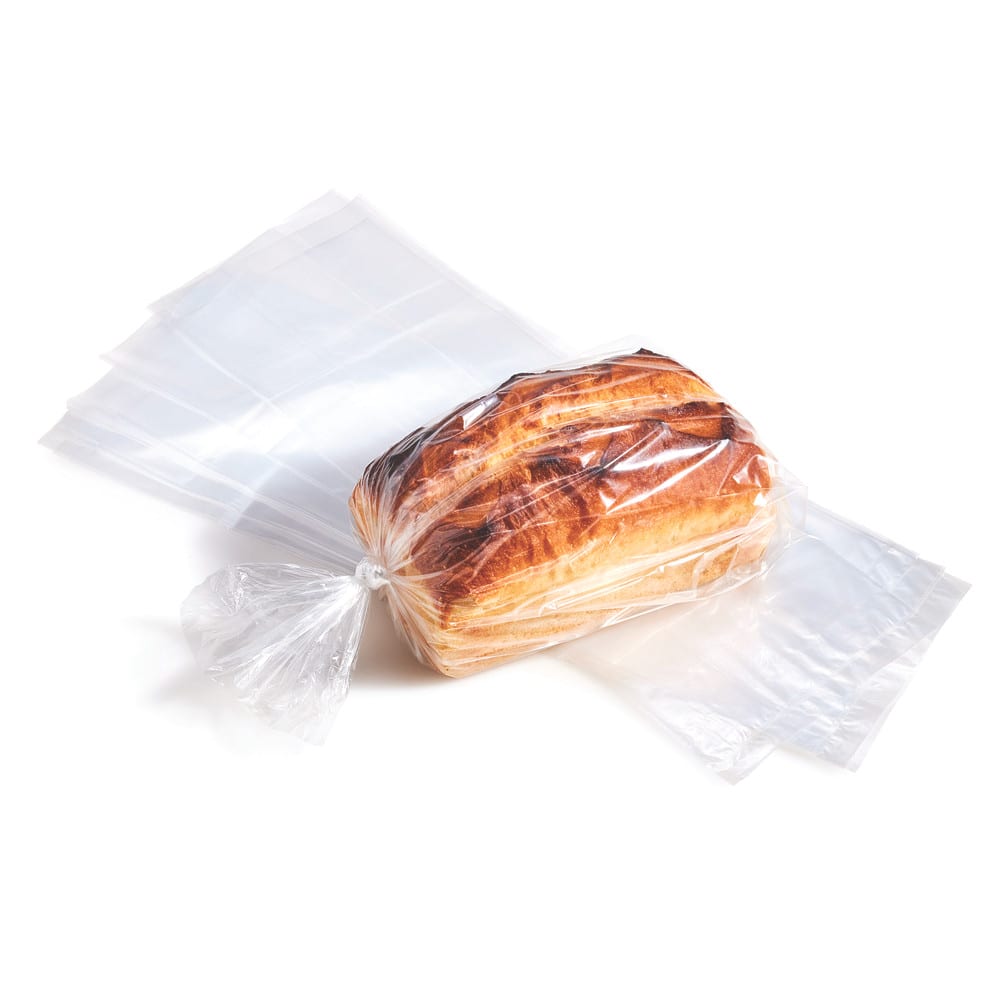
Single Bread Bags - Set of 100 |
| ★★★★★(1019 reviews) |
| $19.95 |
❄️ Save a slice for another day. Cool your bread completely before bagging it. Freeze portions for easy toast after the holiday rush. Closures are not included. Explore product details. |
|
| View Product |
💬 For Your Baking Group Chat
Send this: “Thanksgiving sourdough roll call! 🦃 Are you turning leftover starter into buttery biscuits, freezing extra slices for later, or feeding your starter for the next bake?”
Share your holiday baking wins and photos with a friend. Curious about saving dough for another day? Explore our freezing research guide or try these buttery discard biscuits. Good bread is even better shared. |
 |
📸 Photo: King Arthur Baking — official author portrait.
👨🍳Martin Philip
🌾 From opera singer to bread educator. Martin Philip joined King Arthur in 2006, became its head bread baker, and now serves as a baking ambassador. His recipes and teaching help home bakers develop confidence with dough.
🥖 The author of Breaking Bread and co-author of The Big Book of Bread sees baking as a way to bring people together. His Bread Bakers Guild interview explores that connection. A lovely reminder for Thanksgiving: bread is meant to be shared.
💡 Try this: Bake one familiar loaf and share half with a neighbor. For more inspiration, explore Martin’s own website and his practical bread guides and recipes. |

FRESH FROM THE BAKER'S BENCH 📸 Bake of the Week Celebrating the beauty of homemade bread. |
 Illustrative whole-wheat sourdough loaf. Photo: Plötzblog (ploetzblog.de). |
🍞 Golden Pull-Apart Sourdough Rolls
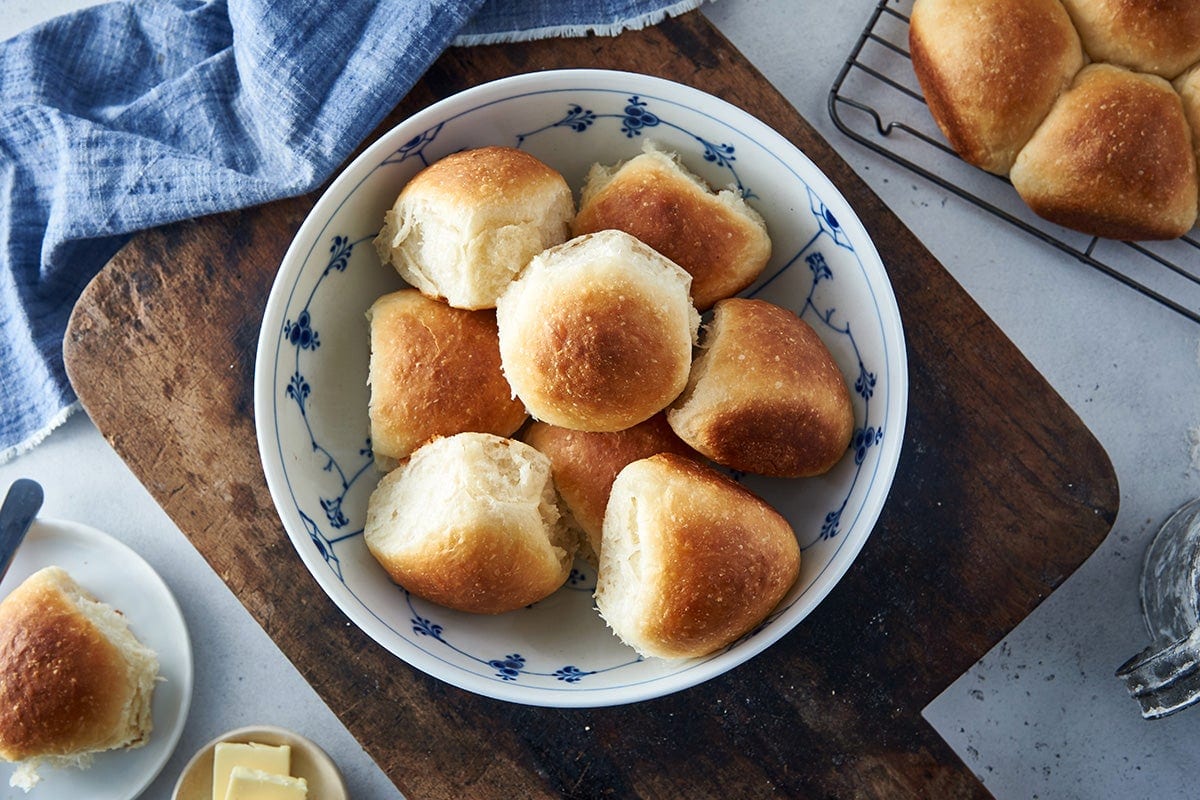
🌾 Soft centers, golden tops, and a breadbasket made for sharing. This week we're celebrating Charlotte Rutledge's soft sourdough rolls, made with ripe starter, butter, and a little instant yeast for a convenient holiday bake.
🔍 What to notice: Look for evenly rounded tops and a tender interior. Baking the rolls close together helps keep their sides soft. Not every beautiful sourdough bake needs a crackling crust or huge air pockets. 📝 Try this on your next bake: Divide the dough into equal portions using a kitchen scale and wait until the rolls look nicely puffed before baking. Follow the tested 16-roll recipe and freeze fully cooled extras for another meal. See our frozen-dough research guide for the distinction between freezing baked bread and raw dough. 📸 Show us your bake: Reply with a photo of your crust and crumb, plus one detail that made this loaf different. Photo: King Arthur Baking. Recipe by Charlotte Rutledge. Featured recipe photograph, not a reader submission. |
🥖💛 Until the Next Bake
This Thanksgiving, we’re grateful for the little things: a bubbling starter, a warm oven, and friends who never turn down a slice. From frozen-dough research to new uses for apple pomace and the science of sourdough aroma, there’s plenty to keep our baking curiosity alive.
🌾 One small challenge for the week: Give your leftovers a second life. Bake buttery discard biscuits or freeze a few slices of your favorite loaf for a busy morning. Good baking doesn’t have to be complicated.
📸 We’d love to see what’s on your holiday table. Hit reply with a photo, your first name, city, and a little note about your bake. Your loaf or rolls could be our next Bake of the Week!
Happy Thanksgiving! Until next week, keep your starter happy, your oven warm, and your breadbasket open to good company. 🫶
|
💡 Answer to Trivia Question: Carbon dioxide (CO₂). Yeasts and some lactic acid bacteria produce this gas during fermentation. The dough traps gas bubbles, helping the loaf expand. |