

Conny Jo
Nov 13, 2026
NOVEMBER 13, 2026✦WEEKLY EDITION✦ ISSUE # 1 |
The Baker’s Bench A gathering place for better baking. YOUR WEEKLY SOURDOUGH EDITION |
🌾 FROM THE STARTER JAR
✨ Hey, Fellow Bakers!
Is your starter keeping you guessing? This week, discover what wholemeal sourdough research reveals, why temperature changes fermentation, and how to plan your next bake.
Then put that curiosity to work: shape a better boule, try sourdough pumpkin pancakes, and meet featured baker Maurizio Leo.
Baked something worth sharing? Reply with your loaf photo, first name, city, and one lesson learned. Happy baking! 💛 |
🧠 THINK YOU KNOW SOURDOUGH? Who is nicknamed a ‘sourdough’ in Alaska? 👇 Answer at the bottom. |
🗓️ Your Week, in 10 Seconds 🧪 Starter: Track its peak with our feeding guide. 🙌 Technique: Try this loaf-shaping tutorial. 🥞 Recipe: Make sourdough pumpkin pancakes. 🌾 Learn: See what wholemeal research reveals. |
 |
| 💬 16 Comments |
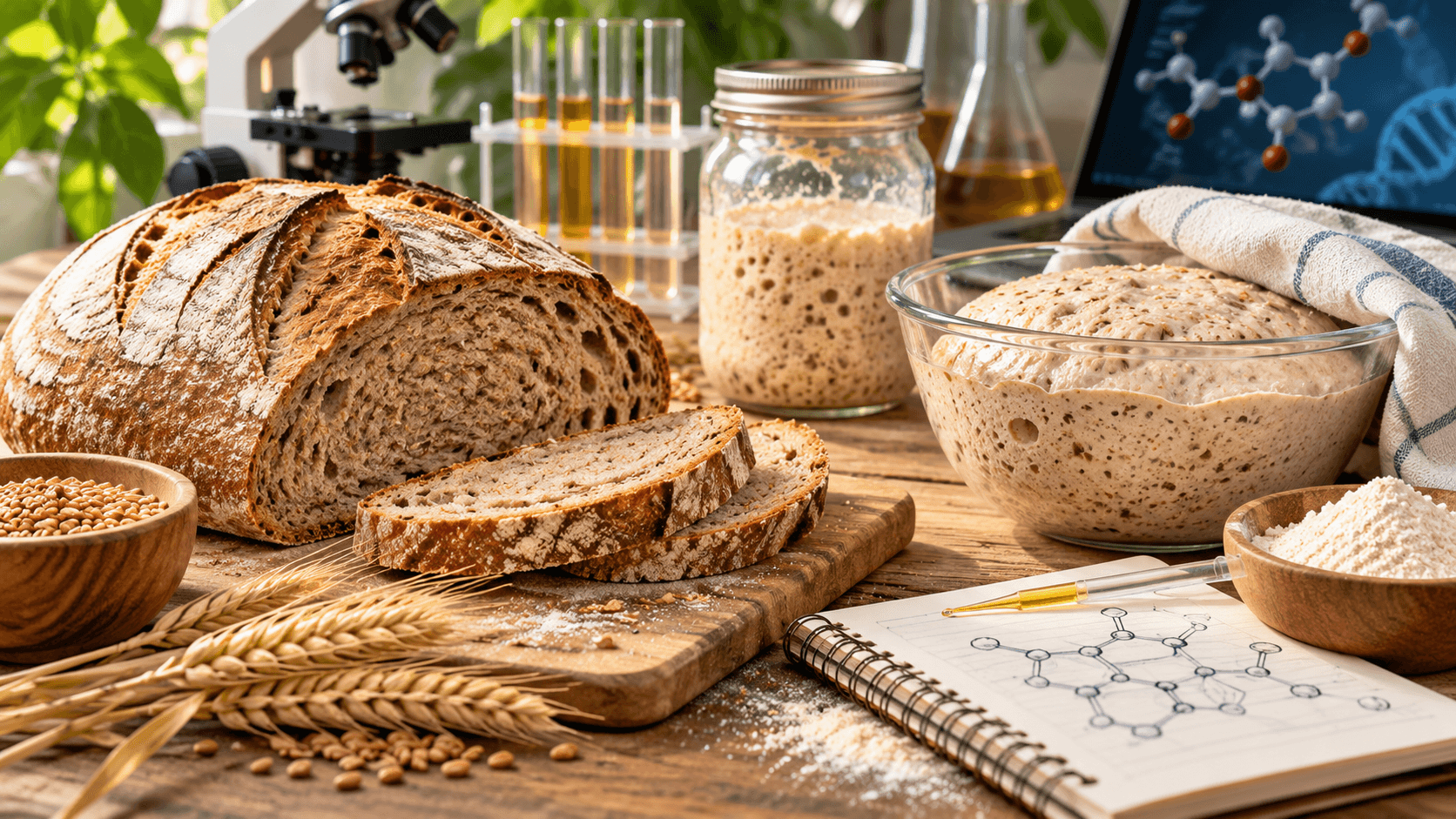
Your sourdough is doing more than rising. A new wholemeal sourdough study reveals hidden changes in starch, proteins, and hundreds of compounds during fermentation. What could those changes mean for your next loaf?
Here's the twist: more fermentation activity doesn't automatically mean healthier bread. Research on yeast-and-bacteria pairings explores differences in bread quality, while a small gut-symptom trial reminds us to question sweeping health claims.
Curious what you can test yourself? See how fermentation temperature and a consistent starter routine fit into a simple two-bake comparison. The most useful discovery may be what you notice in your own kitchen. Read More... |
16 readers are talking about this | Top first |
AM | Aisha Morgan · 2 weeks ago I have always watched for the dough to double before baking. Now I am wondering what changes I might miss when it gets there quickly.
|
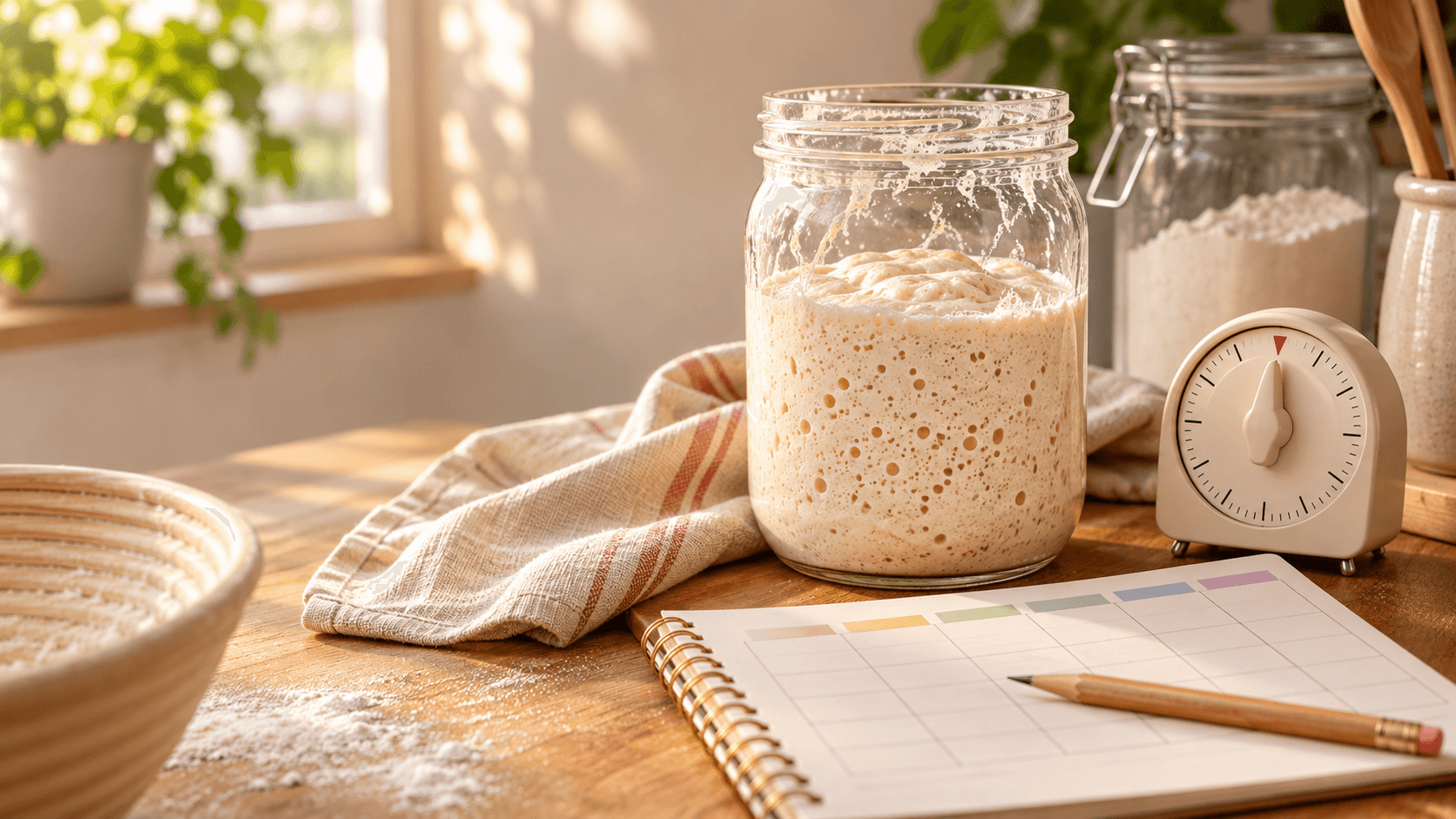
Does your starter always seem ready when you're busy, or asleep when you want to bake? A better sourdough baking schedule starts with your actual bake day, not a rigid clock. One small planning change could save a late-night feeding.
Should your starter live on the counter or in the fridge? The answer depends on your routine, and starter-monitoring research shows why familiar patterns matter. Even room temperature can change when your culture peaks.
The guide shows how to work backward from bake time, spot readiness cues, and separate maintenance feeds from a bigger bake build. Find a routine that works for your kitchen, without letting the jar run your weekend. Explore the practical plan. Read More... |
| 💬 27 Comments |
Think warmer dough always makes better sourdough? A fermentation-temperature study found that changing temperatures affected more than speed, including microbes and bread traits. Some of its results might surprise you.
In controlled experiments, cooler cultures sometimes performed well on particular measurements. But that doesn't make one temperature a magic setting for every kitchen. Culture-pairing research also shows why different bread qualities don't always improve together.
Before adjusting the thermostat, look at your starter's usual peak, aroma, and rise. Pair those notes with a steady feeding schedule and insights from starter monitoring. Could a simple warmer-versus-cooler test change how you bake? Read More... |
27 readers are talking about this | Top first |
SJ | Scott J. · 2 weeks ago I have been changing my feed ratio whenever my starter slows down. Maybe I should check the temperature first and leave the ratio alone for…
|
🧪 Starter Science: What’s Really Happening in Your Jar?
Your starter is a tiny living ecosystem. Wild yeasts help dough rise, while lactic acid bacteria contribute acidity and flavor. But bubbles tell only part of the story. See what a new starter-monitoring study can, and cannot, reveal.
Why does yesterday’s lively starter seem sluggish today? Flour, feeding habits, and room temperature can shift its pace. Explore how temperature affects fermentation and what research on yeast-bacteria pairings suggests about the microbes at work.
Try this: For three days, feed at the same ratio, mark the jar’s starting height and note when it peaks. Record the temperature, too. You may spot a pattern that one feeding alone would miss.
Want a more predictable baking routine? Start with our starter-feeding and bake-planning guide. Watch the jar, not just the clock. |
✨ Quote Of The Day |
“American sourdough has no fixed accent; every starter learns the rhythm of the kitchen that keeps it alive.” |
 |
🥞 Sourdough Pumpkin Pancakes
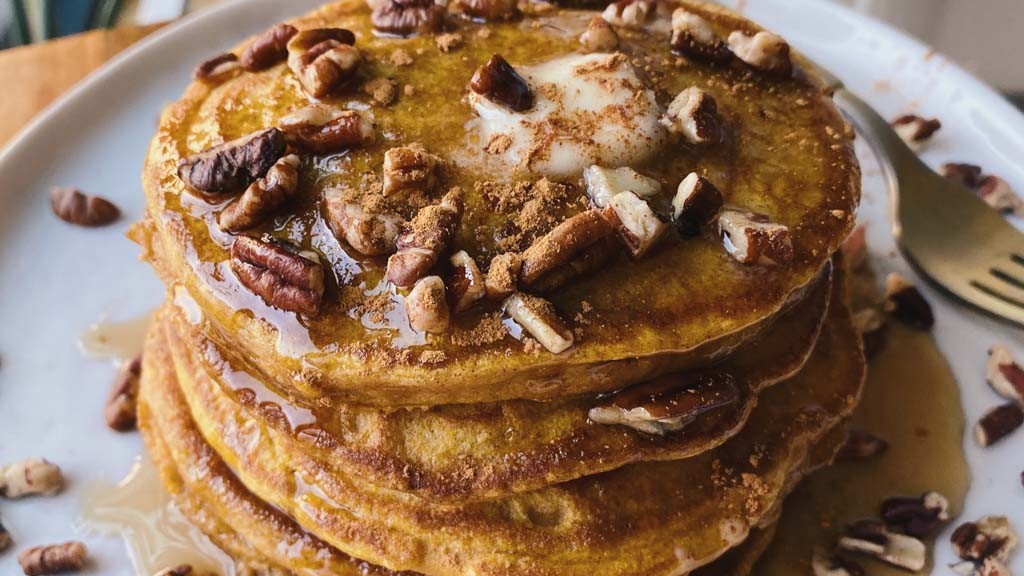
Illustrative photo: Jesha's.
Your starter deserves a weekend treat. These cozy pumpkin pancakes bring a little tang, warm spice, and golden edges to the breakfast table. Inspired by Maurizio Leo's sourdough pumpkin pancakes.
Ingredients (about 12 pancakes)
Quick method
Baker's tip: If the batter is too thick, loosen with a splash of buttermilk. Serve with maple syrup or toasted pecans. For your next baking session, try our fermentation-temperature explainer to better understand why starter activity changes.
Want the full details? See the original recipe and method, or explore more ways to use sourdough starter. |
 |
🙌 Shape a Sourdough Loaf Without Fighting the Dough
Does your dough spread instead of standing tall? The fix may be a gentler preshape, a short bench rest, and a final shape that creates surface tension without tearing the dough. These steps work best after adequate bulk fermentation, not as a rescue for dough that is severely overproofed.
Try this five-step shaping routine:
What to watch: If the dough tears, use less force. If it sticks everywhere, use a bench scraper and a light dusting of flour rather than kneading in lots of extra flour. If it keeps flattening, review fermentation and dough strength on the next bake.
For a visual walkthrough, see The Perfect Loaf's bâtard-shaping guide or its boule-shaping guide. Pair shaping practice with our fermentation-temperature explainer and bake-planning guide.
One small upgrade this week: Take a photo immediately after shaping and another before baking. Compare how well each loaf holds its form. |
💡 Interesting Facts |
Alaskan shortcut: Traditional sourdough pancakes can get a quick lift from baking soda: it reacts with the starter’s acid to produce carbon dioxide as the batter cooks. |
 |
Gear & Kitchen Finds · Retail recommendation |
King Arthur Baking |
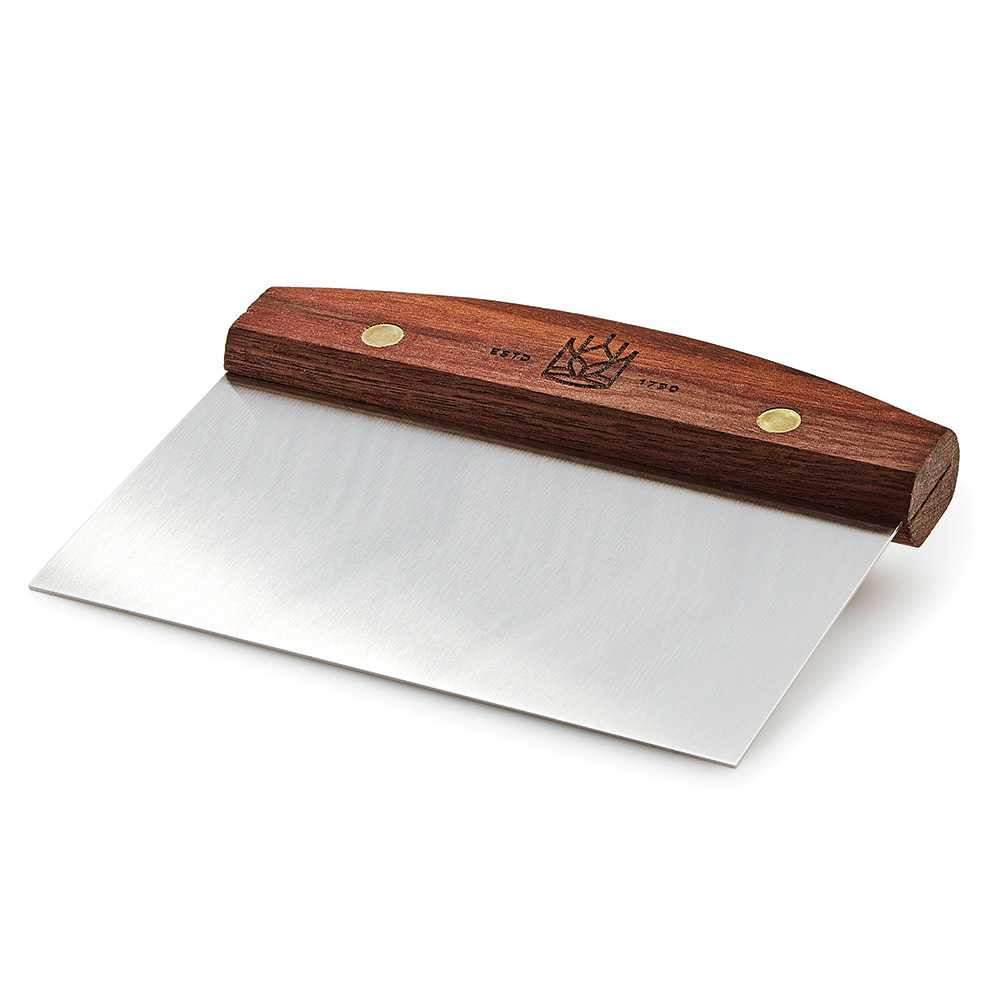
King Arthur Bench Knife |
| ★★★★★ |
| $28.95 |
A sturdy bench knife makes sticky sourdough easier to handle. Divide dough, move portions and tidy the counter without reaching for a kitchen knife. A practical everyday tool for home bakers. |
|
| View Product |
Gear & Kitchen Finds · Retail recommendation |
King Arthur Baking |

King Arthur Bowl Scraper |
| ★★★★★ |
| $2.95 |
Small tool, big help: this flexible bowl scraper gets sticky starter and dough out of bowls with less waste and fuss. An easy, budget-friendly find for regular sourdough baking. |
|
| View Product |
Gear & Kitchen Finds · Retail recommendation |
King Arthur Baking |
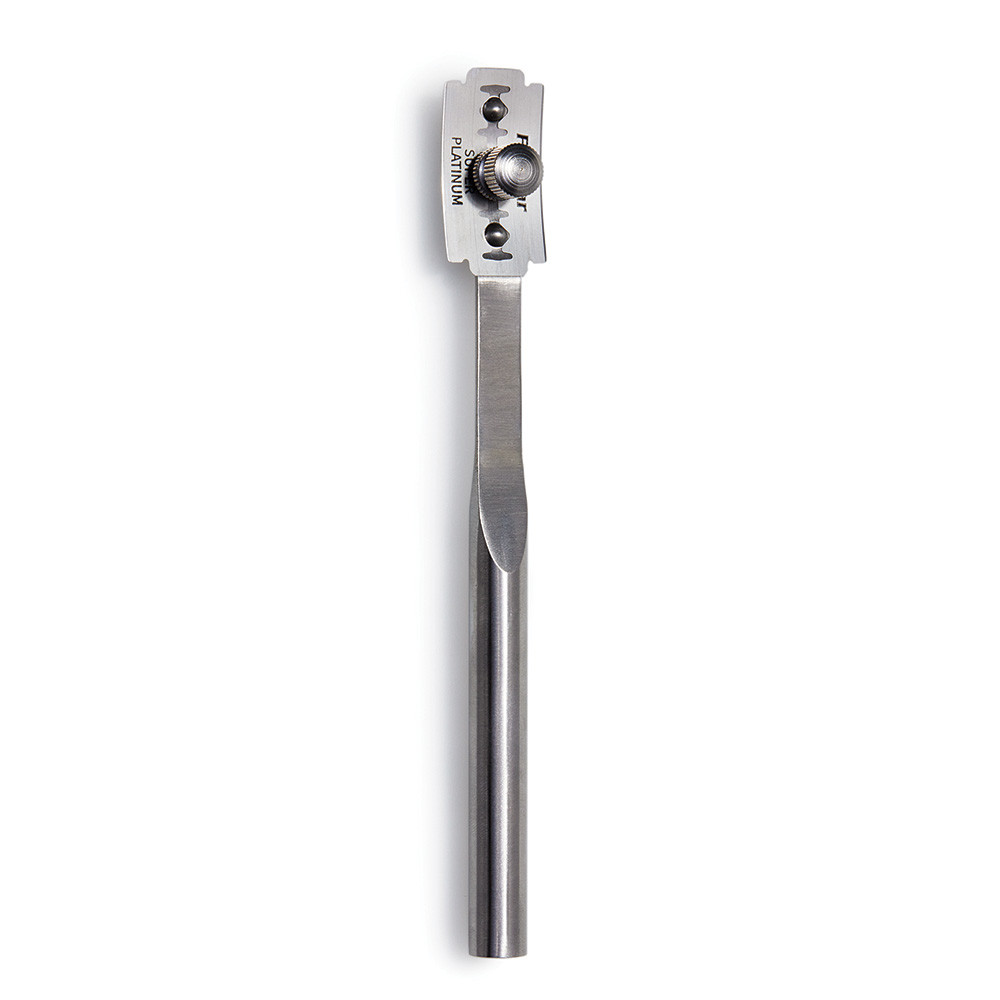
King Arthur Two-in-One Bread Lame |
| ★★★★★ |
| $22.95 |
Ready to improve your loaf's finishing touch? A bread lame helps make clean scores before baking, giving expanding dough a planned place to open. Great for practicing simple or decorative patterns. |
|
| View Product |
💬 For Your Baking Group Chat
Send this: “Sourdough question: do you trust the recipe's clock or your dough's actual rise? I'm tracking my starter's peak for three days before the next bake.”
Compare notes with a baking friend, then explore our fermentation-temperature guide. |
 |
Photo: Kit / Creator Stories. Featuring Maurizio Leo in his home kitchen.
👨🍳 Maurizio Leo: From software engineer to sourdough storyteller.
Albuquerque baker Maurizio Leo founded The Perfect Loaf in 2012, sharing carefully tested recipes and approachable guides to naturally leavened bread. His work includes practical lessons on shaping a boule, shaping a bâtard, and baking with whole wheat.
Try this in your kitchen: On your next sourdough bake, jot down dough temperature, starter peak time, and how the dough feels before shaping. Compare those notes with your next loaf to spot patterns worth repeating. For a weekend project, try his sourdough pumpkin pancakes or use his sourdough-discard recipe collection.
Explore Maurizio's baker profile, his story and baking philosophy, and the official press kit. |

📸 Bake of the Week |
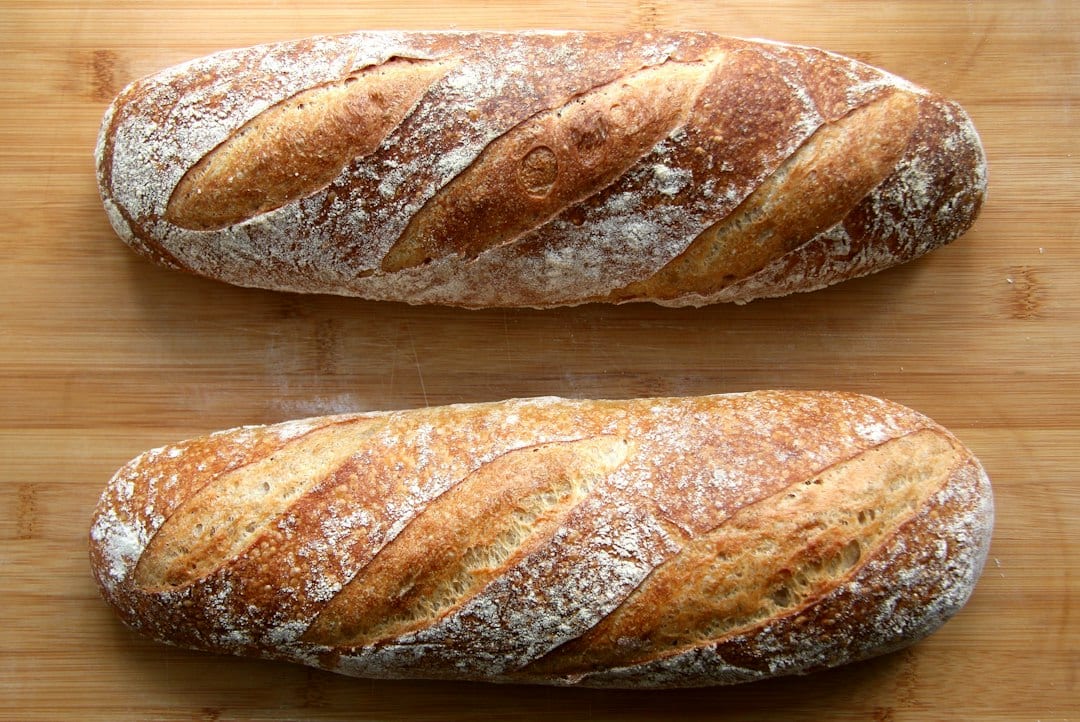
 Illustrative whole-wheat sourdough loaf. Photo: Plötzblog (ploetzblog.de). |
🥖The Rustic Whole-Wheat Sourdough
A deeply browned crust, a soft, hearty crumb, and that unmistakable sourdough aroma: whole-wheat country bread is a bake worth celebrating. Its earthy flavor reminds us that a beautiful loaf doesn't need dramatic open holes to succeed.
Want to try your own version? Start with a dependable whole-wheat sourdough formula, learn how dough temperature shapes fermentation, and use this starter and bake-planning guide to map out your weekend. For shaping, follow this step-by-step boule guide.
Baker's challenge: Make two loaves with the same flour and hydration, then compare their rise, crust, and flavor. Our wholemeal fermentation feature explains why the story inside the dough is more complex than its rise. For another perspective, read our fermentation-temperature research guide and whole-wheat microbe-pairing study.
📸 Your loaf could be next! Reply to this newsletter with a photo of your sourdough, your first name, city, and one thing you learned. We'll consider reader submissions for a future Bake of the Week and credit the baker with permission. |
🥖👩🍳 Until the Next Bake
That's another week at The Baker's Bench, from the science inside your starter jar to better shaping, a cozy sourdough breakfast, and a baker worth knowing.
Here's one small challenge: change just one thing on your next bake. Note your dough temperature, adjust your feeding routine, or give the preshaped loaf a proper bench rest. Write down what happens.
Have a loaf you're proud of, or one that taught you something? Reply with a photo, your first name, city, and a quick baking note. We'd love to consider it for Bake of the Week.
Keep your starter happy and your oven warm. 💛 — The American Sourdough Association Team |
💡 Answer to Trivia Question: An experienced old-timer, miner, or pioneer. |